4765 Carmel Mountain Rd., Suite 203, San Diego, CA 92130


What Happens During Gum Disease Treatment: A Step-by-Step Guide
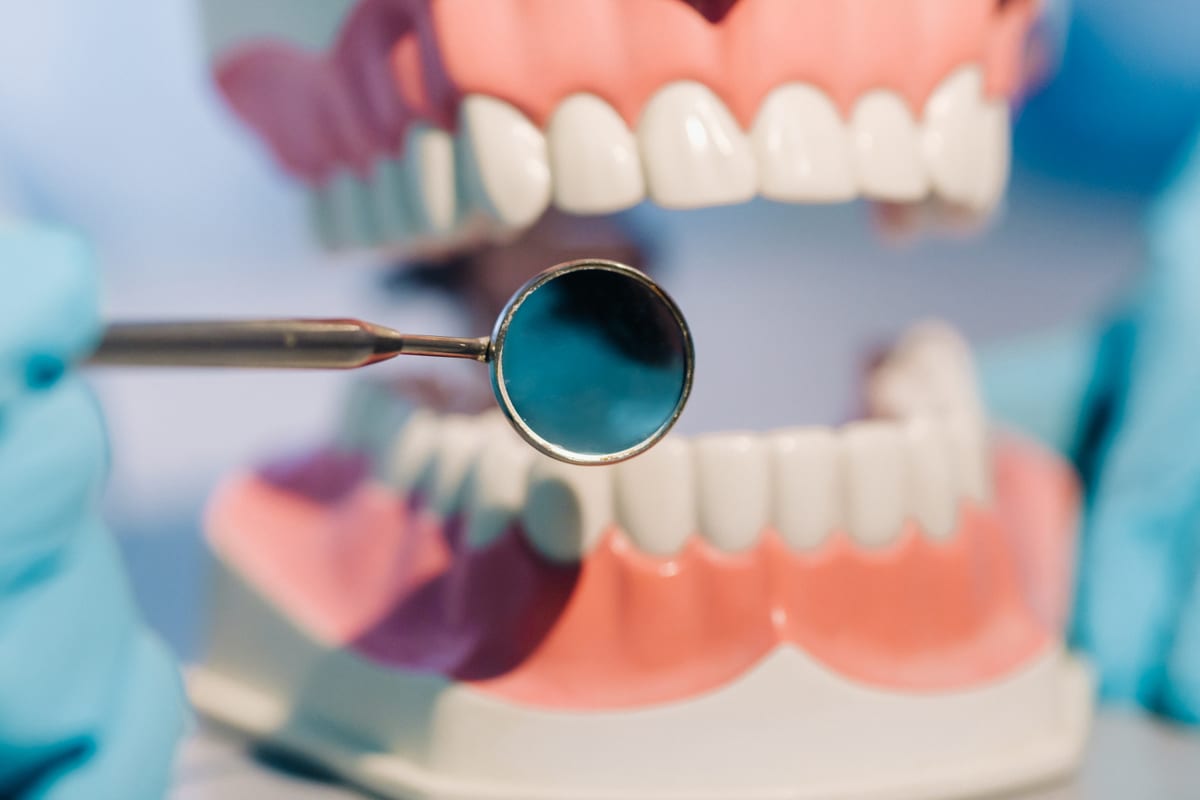
If your dentist has recommended gum disease treatment, you may feel nervous about what comes next. Understanding what happens during gum disease treatment — a step-by-step guide San Diego patients can actually use — makes the process far less intimidating. At Elghor Dental Studio, Dr. Sarah Elghor believes that informed patients feel calmer, ask better questions, and heal faster. This guide walks you through every stage of treatment, from your first exam to your final follow-up visit.
Step One: Your Comprehensive Gum Health Evaluation
Every gum disease treatment journey begins with a thorough evaluation. Dr. Elghor and her team examine your gums visually and use a small measuring tool called a periodontal probe. This probe gently measures the depth of the pockets between your teeth and gums. Healthy pockets measure 1–3 millimeters; deeper pockets indicate disease.
During this step, the team also takes digital X-rays. These images reveal bone loss that is not visible to the naked eye. The combination of probing measurements and X-rays gives Dr. Elghor a complete picture of your gum health. You will feel minimal discomfort during this evaluation.
After gathering data, Dr. Elghor reviews your findings with you in plain language. She explains which areas are affected and how advanced the disease is. This transparency helps you understand exactly why treatment is necessary. You leave this appointment with a clear treatment plan and realistic expectations.
Step Two: Scaling and Root Planing — The Core of Gum Disease Treatment in San Diego
Scaling and root planing (SRP) is the primary non-surgical treatment for gum disease. It is sometimes called a deep cleaning, but it goes well beyond a standard cleaning appointment. The procedure removes hardened bacterial deposits called tartar from both above and below the gumline. It also smooths the root surfaces so bacteria have fewer places to cling.
Before the procedure begins, Dr. Elghor administers a local anesthetic to numb the area being treated. Most patients report feeling pressure but no sharp pain during the procedure. The team treats one or two quadrants of the mouth per visit to keep each session manageable. This spacing also allows your gums to begin healing between appointments.
Ultrasonic scalers use gentle vibrations to break up stubborn tartar deposits efficiently. Hand scalers then refine the work on delicate root surfaces. The combination approach ensures thorough removal without unnecessary trauma to healthy tissue. Patients typically notice their gums look less red and swollen within a week of treatment.
- Local anesthetic keeps you comfortable throughout the procedure
- Ultrasonic and hand scalers remove tartar above and below the gumline
- Root surfaces are smoothed to discourage bacterial reattachment
- Treatment is divided into quadrants for manageable, comfortable sessions
- Most patients experience only mild sensitivity for a day or two afterward
Step Three: What to Expect After Your Deep Cleaning
Recovery after scaling and root planing is typically mild. Your gums may feel tender and slightly swollen for two to three days. Over-the-counter pain relievers and a saltwater rinse often provide enough relief. Dr. Elghor’s team gives you specific aftercare instructions before you leave the office.
You may notice your teeth feel more sensitive to hot and cold temperatures temporarily. This happens because the gumline recedes slightly as inflammation resolves. The sensitivity usually fades within one to two weeks. Using a soft-bristled toothbrush and sensitivity toothpaste speeds up this process.
Eating soft foods for the first 24–48 hours is also recommended. Avoid crunchy, sticky, or very hot foods during that window. Staying well-hydrated and avoiding tobacco products significantly improves healing outcomes. If you experience unusual pain or swelling, contact Elghor Dental Studio right away.
- Expect mild tenderness for two to three days post-treatment
- Use a soft-bristled toothbrush to protect healing gum tissue
- Eat soft foods and avoid tobacco for optimal healing
- Temporary tooth sensitivity is normal and resolves within weeks
- Call the office promptly if symptoms feel severe or unusual
Step Four: The Re-Evaluation Appointment — Measuring Your Progress
Approximately four to six weeks after your deep cleaning, Dr. Elghor schedules a re-evaluation visit. This appointment is critical. It measures how well your gums have responded to the initial treatment. The team repeats periodontal probing and compares the new pocket depths to your baseline measurements.
In many cases, pocket depths reduce significantly after scaling and root planing. Gum tissue tightens around the teeth as inflammation subsides. This is a strong sign that non-surgical treatment has been successful. Patients with mild to moderate gum disease often achieve stable gum health at this stage.
If deeper pockets persist in specific areas, Dr. Elghor may discuss additional options. These can include localized antibiotic therapy placed directly into stubborn pockets. In some advanced cases, a referral to a periodontist may be appropriate. Dr. Elghor walks you through every option clearly before any decision is made.
Step Five: Periodontal Maintenance — Protecting Your Results Long-Term
Once your gums are stable, you transition to a periodontal maintenance schedule. This is different from a standard cleaning every six months. Most patients return every three to four months for the first year or two. These more frequent visits prevent bacteria from rebuilding in treated areas.
Each maintenance visit includes a thorough cleaning, updated measurements, and a check of any restorations like crowns or dental implants. The team reinforces your home care routine and addresses any new concerns early. Consistent maintenance is the most powerful tool you have against gum disease recurrence. Skipping these visits significantly increases the risk of disease returning.
Some patients wonder whether cosmetic work is possible after gum disease treatment. Once your gums are healthy and stable, many options become available. For example, Cosmetic Bonding San Diego patients love can address chips or gaps that become more visible after gum tissue recedes. Dr. Elghor evaluates readiness for cosmetic treatment at your maintenance visits.
Patients who want to explore broader smile improvements may also ask about orthodontic alignment. Straighter teeth are easier to clean and less prone to gum pockets. Learning more about Invisalign Info San Diego patients request is a natural next step after achieving healthy gums. Dr. Elghor coordinates all aspects of your care under one roof.
How Elghor Dental Studio Keeps You Comfortable Throughout Treatment
Dental anxiety is real, and Dr. Elghor’s team takes it seriously. The practice uses topical numbing gel before administering any local anesthetic injection. This reduces the sensation of the needle significantly. Patients consistently report that this small step makes a meaningful difference in their comfort level.
The team also uses a communicate-first approach during every procedure. Dr. Elghor checks in frequently and encourages patients to signal if they need a pause. There is no rushing through treatment at Elghor Dental Studio. Comfort and thoroughness go hand in hand here.
San Diego patients benefit from a calm, modern environment designed to reduce anxiety. Warm lighting, a friendly front desk team, and clear explanations at every step create a genuinely welcoming atmosphere. Many patients who arrived anxious leave feeling confident about continuing their care. Feeling safe in the dental chair is not a luxury — it is a standard at this practice.
Conclusion
Gum disease treatment is a structured, manageable process when you understand each step. From your initial evaluation through long-term maintenance, every stage has a clear purpose and a predictable outcome. Dr. Sarah Elghor and the Elghor Dental Studio team in San Diego guide you through each phase with expertise and genuine care. You are never left wondering what comes next or why it matters. Book Now to schedule your appointment with our team.
Frequently Asked Questions
Is gum disease treatment painful?
Most patients experience minimal discomfort during treatment because local anesthetic is used throughout. You may feel pressure or vibration, but sharp pain is uncommon. Mild soreness for a day or two afterward is normal and manageable with over-the-counter pain relievers.
How many appointments does gum disease treatment take?
Most non-surgical gum disease treatment requires two to four visits for scaling and root planing, followed by a re-evaluation appointment. After that, you transition to a periodontal maintenance schedule every three to four months. The exact number of visits depends on the severity of your condition.
Will my gums go back to normal after treatment?
Gum tissue that has receded due to disease does not fully grow back on its own. However, treatment reduces inflammation and stops further damage. Pockets shrink, tissue tightens, and your gums can become stable and healthy with proper maintenance and home care.
Can I get dental implants after gum disease treatment?
Yes, dental implants are possible after gum disease has been successfully treated and stabilized. Healthy gums and sufficient bone are required for implant placement. Dr. Elghor evaluates your readiness for implants during follow-up appointments once your periodontal health is confirmed.
How can I prevent gum disease from returning?
Consistent home care is essential — brush twice daily with a soft-bristled toothbrush and floss every day. Attending your periodontal maintenance appointments every three to four months is equally important. Avoiding tobacco, staying hydrated, and managing stress also support long-term gum health.
