4765 Carmel Mountain Rd., Suite 203, San Diego, CA 92130


Teeth Whitening Safety in Del Mar, CA
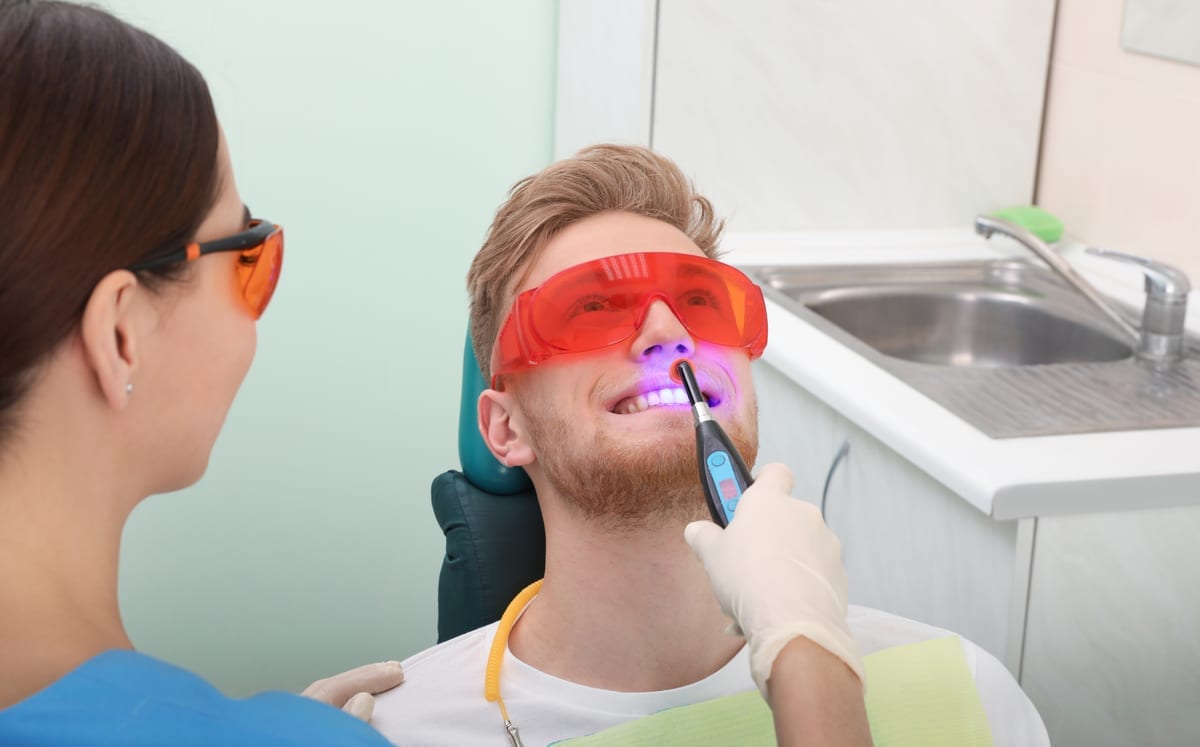
Many Del Mar patients ask the same question before their first appointment: is professional teeth whitening safe for your enamel and gums? It is a fair concern. You want a brighter smile, but not at the cost of long-term dental health. The good news is that professional whitening is well-studied and, when done correctly, is considered safe for most healthy adults. This article breaks down what the research shows, what risks exist, and who should think twice before whitening.
How Professional Teeth Whitening Works on Enamel
Professional whitening uses hydrogen peroxide or carbamide peroxide as the active ingredient. These agents penetrate the enamel surface and break apart the molecules that cause staining. The enamel itself is not removed or dissolved during this process.
Studies published in the Journal of Dentistry and other peer-reviewed sources consistently show that professionally supervised whitening does not cause measurable enamel loss. The key word here is supervised. Concentration levels matter enormously. In-office treatments typically use 25–40% hydrogen peroxide applied by a trained clinician.
Over-the-counter products use much lower concentrations. They are less effective and often used more frequently, which increases the risk of overuse. Professional treatment is controlled, time-limited, and monitored — that combination makes it safer by design.
Patients in Del Mar who have existing enamel erosion from acid reflux or acidic diets should discuss their history with Dr. Elghor before proceeding. Thinned enamel does change the calculus on whether whitening is appropriate for you.
Is Professional Teeth Whitening Safe for Gum Sensitivity in Del Mar?
Gum sensitivity is one of the most common concerns patients raise. Peroxide-based gels can irritate soft tissue if they contact the gums for too long or in too high a concentration. This is why technique and custom fit matter so much.
At Elghor Dental Studio, custom-fitted trays are precisely crafted to your bite. They minimize gel contact with gum tissue. In-office treatments also include barriers placed along the gum line before the whitening agent is applied.
Some patients experience temporary gum soreness after a session. This typically resolves within 24–48 hours. It is not a sign of permanent damage. However, patients with active gum disease or open sores should not whiten until those conditions are treated.
If you have a history of gum sensitivity, let Dr. Elghor know ahead of time. A lower-concentration gel or a shorter treatment cycle can reduce discomfort without sacrificing results.
Tooth Sensitivity After Whitening: What Is Normal?
Tooth sensitivity is the side effect patients notice most. It usually appears during or shortly after treatment. Teeth may feel sensitive to cold air, water, or sweet foods. This happens because peroxide temporarily opens the dentinal tubules — tiny channels that lead to the tooth nerve.
This sensitivity is transient. For most patients, it resolves within one to three days. Using a desensitizing toothpaste containing potassium nitrate or fluoride in the days before and after treatment helps significantly.
Here are practical steps to manage post-whitening sensitivity:
- Use a soft-bristle toothbrush for at least 48 hours after treatment
- Avoid very hot or very cold foods and drinks for one to two days
- Apply a fluoride or desensitizing gel as recommended by your dentist
- Avoid acidic foods like citrus and vinegar immediately after whitening
- Space out whitening sessions to allow enamel to recover
Patients with naturally sensitive teeth or exposed dentin are at higher risk for discomfort. A thorough exam before treatment helps identify these cases. Dr. Elghor evaluates each patient individually before recommending a whitening protocol.
Who Should Avoid Professional Teeth Whitening?
Professional whitening is safe for most healthy adults. However, several groups should either avoid it or take extra precautions before proceeding.
Patients who should consult their dentist carefully before whitening include:
- Pregnant or nursing individuals — peroxide safety in these populations is not fully established
- Children under 16 — pulp chambers are still developing and more vulnerable to irritation
- Patients with active cavities or cracked teeth — peroxide can reach the pulp and cause significant pain
- Patients with untreated gum disease — whitening can worsen inflammation
- Patients with dental restorations such as crowns, veneers, or bonding — these materials do not respond to whitening agents
That last point is worth emphasizing. If you have Cosmetic Bonding on your front teeth, whitening will not lighten the bonded material. Your natural teeth would whiten while the bonding stays the same shade. This creates a mismatch that may require replacing the bonding afterward.
Similarly, if you are currently undergoing orthodontic treatment or researching Invisalign Info, timing your whitening treatment carefully can make a big difference in your final cosmetic outcome. Many patients choose to whiten after alignment is complete.
In-Office vs. At-Home Whitening: A Safety Comparison
Not all whitening products carry the same risk profile. Understanding the differences helps Del Mar patients make informed decisions.
In-office whitening is performed under direct clinical supervision. Gum barriers are applied. Concentration levels are calibrated to your sensitivity level. The entire process takes about an hour, and results are immediate.
Take-home professional trays are also effective and safe when used as directed. These use lower concentrations over a longer period — typically one to two weeks. Because the trays are custom-fitted, they limit accidental gum exposure far better than store-bought strips.
Over-the-counter whitening strips and gels carry the highest misuse risk. They are applied by patients without clinical guidance. Overuse is common. Ill-fitting strips frequently contact gum tissue. For mild maintenance, they may be acceptable. For meaningful whitening, professional options are more predictable and better monitored.
What to Expect During a Professional Whitening Visit at Elghor Dental Studio
Dr. Sarah Elghor begins every whitening consultation with a full oral health evaluation. This step is not optional — it is essential. Cavities, gum issues, or enamel problems need to be addressed before whitening begins.
Once cleared for treatment, here is what a typical in-office session looks like:
- A thorough professional cleaning to remove surface plaque and debris
- Placement of a protective barrier along the gum line
- Application of professional-grade whitening gel to the tooth surfaces
- Light or heat activation, depending on the system used
- Gel removal, rinse, and evaluation of shade change
- Post-treatment sensitivity assessment and aftercare instructions
Most patients achieve three to eight shades of improvement in a single visit. Results vary based on the original tooth color, the cause of discoloration, and individual enamel characteristics.
Conclusion: Professional Whitening Is Safe When Done Right
The evidence strongly supports the safety of professional teeth whitening for most healthy adult patients. Temporary sensitivity is the most common side effect, and it resolves quickly with proper care. Enamel damage is not a realistic risk when treatment is performed by a qualified dentist using appropriate concentrations and techniques.
The most important safety factor is starting with a proper dental evaluation. Whitening over untreated decay, gum disease, or compromised enamel is where problems arise. A qualified provider eliminates those risks before treatment begins.
If you are in the Del Mar area and want to know whether professional whitening is the right choice for your smile, our team is here to help. Book Now to schedule your appointment with our team.
Frequently Asked Questions
Does professional teeth whitening damage enamel permanently?
No. Multiple clinical studies show that professionally supervised whitening does not cause permanent enamel loss. The peroxide gel lightens stains without dissolving or structurally weakening enamel when used at appropriate concentrations and for appropriate durations.
How long does tooth sensitivity last after whitening?
Most patients experience sensitivity for 24 to 72 hours after a professional whitening session. Using a desensitizing toothpaste before and after treatment reduces this significantly. If sensitivity persists beyond a week, contact your dentist for evaluation.
Can I whiten my teeth if I have crowns or bonding?
Whitening agents do not change the color of dental restorations such as crowns, veneers, or bonding. Your natural teeth will lighten while restorations stay the same shade. Dr. Elghor will assess your existing restorations before recommending whitening to avoid mismatched results.
Is teeth whitening safe during pregnancy?
Most dental professionals recommend avoiding elective whitening during pregnancy. The safety of peroxide-based gels has not been fully studied in pregnant populations. It is best to wait until after delivery and nursing are complete before pursuing whitening treatment.
How often is it safe to have professional whitening done?
Most dentists recommend in-office whitening no more than once or twice per year for maintenance. Overuse can increase sensitivity and temporarily affect enamel surface integrity. Dr. Elghor will recommend a whitening schedule based on your individual dental health and goals.
