4765 Carmel Mountain Rd., Suite 203, San Diego, CA 92130


Root Canal vs. Extraction: Which Saves Your Smile and Money
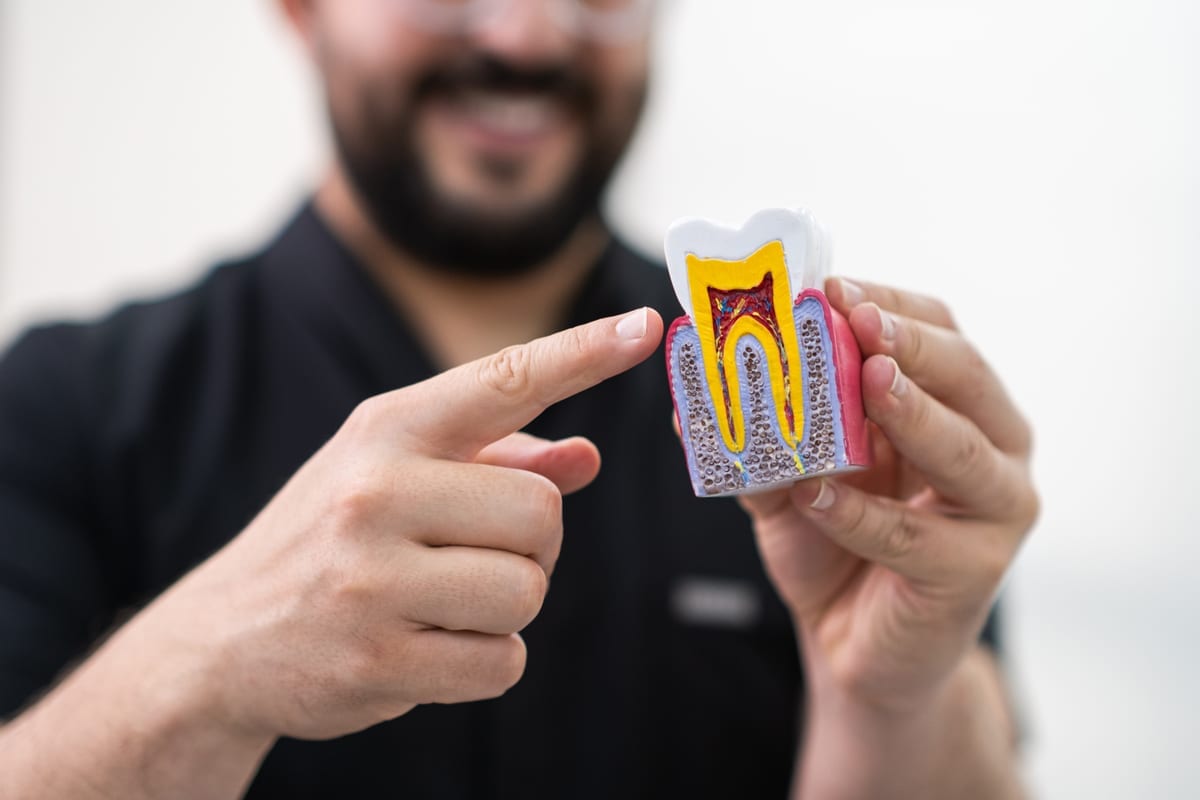
When a tooth becomes severely damaged or infected, you face a critical choice. Do you save the tooth with a root canal, or remove it entirely? Understanding root canal vs. extraction and which saves your smile and money in San Diego can help you make the right call. At Elghor Dental Studio, Dr. Sarah Elghor helps patients navigate this decision every day. This guide breaks down both options so you can feel confident walking into your appointment.
Root Canal vs. Extraction: Understanding the Basics
A root canal removes infected pulp tissue from inside your tooth. The tooth structure itself stays in your mouth. Your dentist then seals and crowns it for long-term protection. This procedure has a reputation for being painful, but modern techniques make it very manageable.
An extraction, on the other hand, removes the entire tooth. It is faster and often less expensive upfront. However, losing a tooth creates a gap that affects your bite, your jawbone, and your surrounding teeth. Both options solve the immediate problem — but they lead to very different futures for your oral health.
Comparing Costs: What San Diego Patients Should Know
Upfront costs favor extraction almost every time. A simple extraction in San Diego typically costs less than a root canal plus crown. However, the story does not end there. Once a tooth is gone, replacement options like dental implants become necessary to preserve your jaw and bite function.
Dental implants can cost several thousand dollars per tooth. When you add implant placement, an abutment, and a crown, the total often far exceeds what a root canal would have cost. A root canal plus crown is a one-time investment that preserves your natural tooth for years or even decades. In the long run, saving the tooth is usually the more cost-effective path.
- Root canal + crown: Higher upfront cost, but no replacement needed
- Simple extraction: Lower upfront cost, but tooth gap requires management
- Extraction + implant: Total cost often two to three times a root canal
- Extraction + bridge: Requires shaving down adjacent healthy teeth
- No replacement after extraction: Leads to bone loss and shifting teeth over time
The smartest financial decision depends on your specific tooth and overall oral health. Dr. Elghor always walks patients through realistic cost projections before recommending either path.
Long-Term Health Impact: What Happens After Each Procedure
Your natural teeth are irreplaceable assets. They anchor your jawbone and keep surrounding teeth in alignment. When you lose a tooth, the jawbone beneath it begins to shrink within months. This process is called bone resorption, and it changes the shape of your face over time.
A root canal preserves all of that. Your tooth stays rooted in the bone. You continue to chew, speak, and smile normally. Adjacent teeth do not shift, and your bite stays balanced. Studies consistently show that root canals have a high long-term success rate when paired with a quality crown.
Extraction leads to a domino effect if the gap is not addressed. Neighboring teeth drift into the open space. Your bite changes, which creates additional wear and strain. Many patients who delay replacing an extracted tooth end up needing more extensive work later. That is why most dentists prioritize saving natural teeth whenever it is clinically possible.
- Natural tooth roots stimulate jawbone and prevent bone loss
- Gaps from extractions can cause neighboring teeth to tilt or drift
- A crowned root canal tooth functions just like a natural tooth
- Early treatment prevents the need for more complex future procedures
- Bone grafting may be needed after extraction before placing an implant
When Extraction Is Actually the Right Choice
Root canals are not always the answer. Some teeth are too damaged to save, even with the best modern techniques. If a tooth has a vertical fracture reaching the root, extraction is typically unavoidable. Severe bone loss from advanced gum disease can also make a tooth non-restorable.
Wisdom teeth are another common case where extraction makes sense. They often lack adequate space to erupt properly. Removing them prevents crowding, infection, and damage to nearby molars. In these scenarios, extraction is not a compromise — it is the clinically correct decision.
The key is getting an accurate diagnosis first. Dental X-rays and a thorough clinical exam reveal what is actually happening beneath the surface. Dr. Elghor takes time to review all findings with patients before recommending any treatment. You should never feel pressured into an extraction or a root canal without understanding why it is being recommended.
If you have had prior dental work and are curious how other restorative or cosmetic options fit in, exploring Cosmetic Bonding San Diego can show you how minor repairs work alongside more significant treatments. For patients focused on alignment as part of their overall smile plan, reviewing Invisalign Info San Diego is also worthwhile.
Recovery: What to Expect After Each Procedure
Root canal recovery is typically mild. Most patients experience some soreness for two to three days. Over-the-counter pain relievers are usually sufficient. You can return to work and normal activities the following day in most cases.
Extraction recovery depends on the complexity of the removal. A simple extraction heals relatively quickly. A surgical extraction — needed for impacted or broken teeth — involves more swelling and a longer healing window. Blood clot formation is essential after an extraction. Disrupting it can lead to a painful condition called dry socket.
With either procedure, following your dentist’s aftercare instructions is non-negotiable. Avoiding hard foods, staying hydrated, and keeping the area clean all support faster healing. Dr. Elghor and the team at Elghor Dental Studio provide clear written instructions after every procedure so nothing is left to guesswork.
Making the Right Decision for Your Smile in San Diego
Most dentists agree on one core principle: preserving your natural tooth is almost always worth pursuing first. Root canals have a strong track record for long-term success. They keep your smile intact, protect your jawbone, and save you from the cascade of costs that often follow tooth loss.
That said, every patient’s situation is unique. Age, overall oral health, the position of the tooth, and your treatment goals all factor into the right recommendation. Dr. Sarah Elghor takes a patient-first, educational approach at Elghor Dental Studio. She explains every option clearly and helps you choose what makes the most sense for your health and your life.
If you are weighing your options and want an honest, thorough evaluation, our San Diego team is ready to help. Book Now to schedule your appointment with our team.
Frequently Asked Questions
Is a root canal more painful than a tooth extraction?
Most patients report that modern root canals are no more uncomfortable than getting a filling. Local anesthesia is used throughout the procedure. Extraction can also be performed comfortably with anesthesia, but post-procedure soreness and healing time vary based on complexity. Pain levels depend more on the individual tooth than the procedure itself.
How long does a root canal last compared to an implant?
A well-done root canal paired with a quality crown can last 10 to 20 years or longer with proper care. Dental implants are designed to be permanent and can also last decades with good oral hygiene. However, implants require a surgical placement procedure, a healing period, and significantly higher upfront investment than a root canal.
Can I wait before deciding between a root canal and extraction?
Waiting is not advisable when you have an infected or severely damaged tooth. Dental infections can spread quickly to surrounding tissue and bone. Delaying treatment almost always increases the complexity and cost of your care. Scheduling an evaluation as soon as you notice symptoms is the safest approach.
Will I need a crown after a root canal?
In most cases, yes. A crown protects the treated tooth from fracturing and restores its full function. Without a crown, a root canal tooth is more vulnerable to cracking under chewing pressure. Dr. Elghor will advise you on whether a crown is needed based on how much natural tooth structure remains.
What happens if I do not replace an extracted tooth?
Leaving a gap after extraction causes several problems over time. Neighboring teeth begin to shift into the empty space, which disrupts your bite. The jawbone beneath the gap also starts to shrink because there is no tooth root to stimulate it. These changes can lead to additional tooth loss, difficulty chewing, and changes in your facial appearance.
