4765 Carmel Mountain Rd., Suite 203, San Diego, CA 92130


Is Invisalign Right for Your Bite? What It Can and Cannot Fix
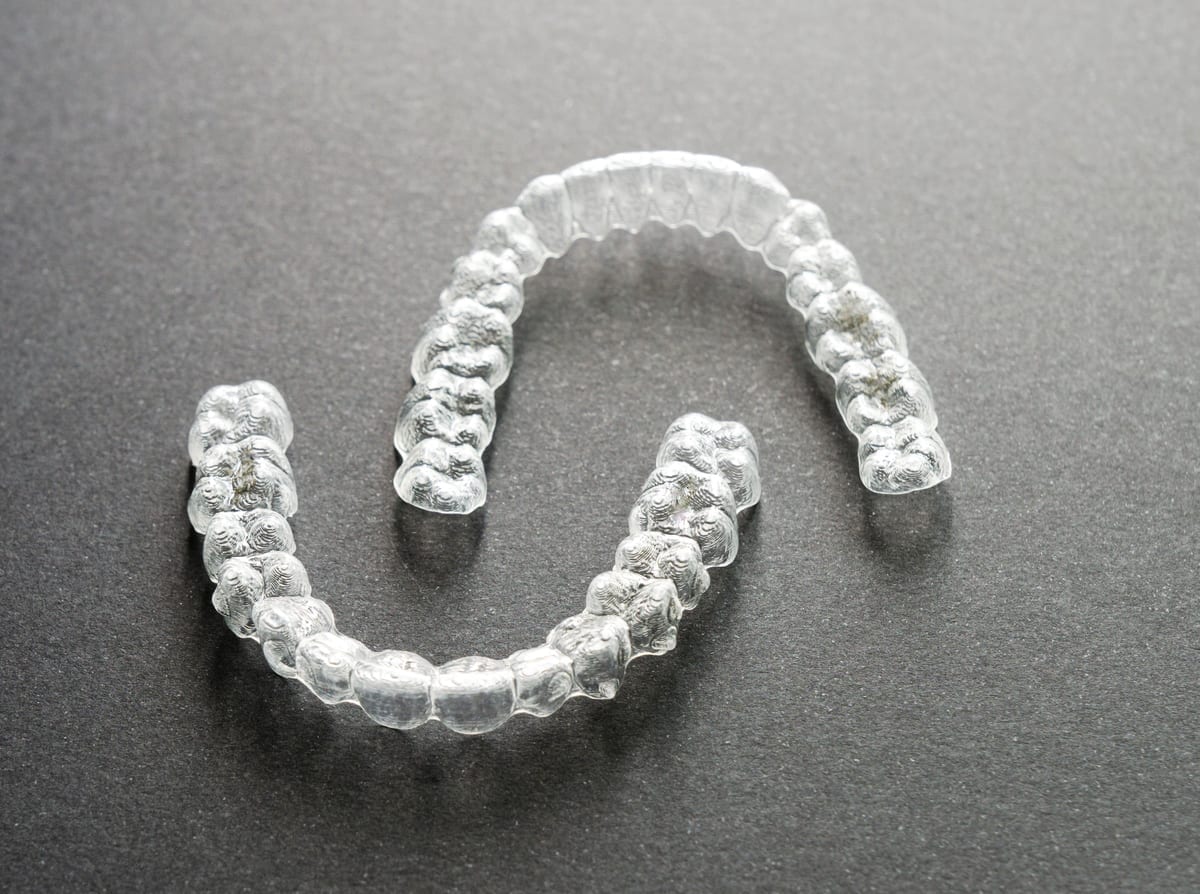
If you’ve been wondering, is Invisalign right for your bite? — you’re not alone. Many San Diego patients come to Elghor Dental Studio asking this exact question. Invisalign has transformed orthodontic care over the past two decades. But it isn’t the right solution for every smile or every bite issue.
Understanding what Invisalign can and cannot fix in San Diego helps you make a confident, informed decision. Dr. Sarah Elghor takes an educational approach with every patient. She believes you deserve to know all your options before committing to any treatment. This article breaks it all down clearly.
What Invisalign Can Fix: Common Bite and Alignment Issues
Invisalign uses a series of clear, removable aligners. These aligners gradually shift teeth into better positions over time. Technology has advanced significantly, expanding what Invisalign can treat today.
Here are the most common conditions Invisalign handles well:
- Mild to moderate crowding — when teeth overlap or crowd together
- Spacing issues — gaps between teeth that affect aesthetics and function
- Mild overbite — when upper teeth extend too far over lower teeth
- Mild underbite — when lower teeth sit in front of upper teeth
- Crossbite — when upper and lower teeth don’t meet correctly
- Open bite — when upper and lower front teeth don’t touch when closed
For mild to moderate cases, Invisalign delivers excellent results. Patients appreciate the discreet appearance and the ability to remove aligners for meals. Compliance is key — aligners must be worn 20 to 22 hours per day. Missing wear time slows progress significantly.
What Invisalign Cannot Fix: Knowing the Limits in San Diego
Not every bite problem responds well to Invisalign. Severe skeletal issues are the biggest limitation. If the misalignment comes from jaw structure rather than tooth position, aligners may not be enough.
Invisalign struggles most with these situations:
- Severe overbite or underbite — significant jaw discrepancy often requires traditional braces or surgery
- Severely rotated teeth — some teeth need more force than aligners can provide
- Large vertical discrepancies — complex bite height issues are hard to control with trays
- Significant crowding — teeth needing major movement may require bracket and wire systems
- Missing teeth spaces — gaps from missing teeth need different planning, often involving Emergency Dentist San Diego consultations for damaged or lost teeth first
Dr. Elghor always performs a full clinical evaluation before recommending any orthodontic path. She uses digital imaging and bite analysis to assess your unique situation. This ensures the treatment plan matches your actual needs. There is no one-size-fits-all answer in orthodontics.
Invisalign vs. Traditional Braces: Which Works Better for You?
The comparison between Invisalign and traditional braces comes down to case complexity. Braces use brackets bonded to teeth and wire tension. This gives orthodontists more control over tooth movement in all directions.
Traditional braces tend to work better when:
- Teeth need significant rotation or vertical movement
- The bite issue involves both teeth and jaw alignment
- Compliance with removable aligners is a concern
- Multiple teeth need precise, coordinated repositioning
Invisalign tends to work better when:
- The case is mild to moderate in complexity
- Aesthetics during treatment are a priority
- The patient is responsible and consistent with wear time
- Lifestyle factors make fixed appliances inconvenient
Both systems can produce beautiful, functional results. The right choice depends entirely on your specific bite, your lifestyle, and your goals. A consultation with Dr. Elghor helps clarify which path makes sense for you.
How Cosmetic Treatments Complement Invisalign Results in San Diego
Many patients combine Invisalign with cosmetic dental treatments after their alignment is complete. Straightening your teeth creates the ideal canvas for further aesthetic improvements. This is where a full smile transformation becomes possible.
After completing Invisalign, some patients choose Cosmetic Bonding San Diego to address chips, discoloration, or minor shape irregularities. Bonding is a quick, affordable way to refine the final appearance of straightened teeth. It works especially well on teeth that shifted but retained minor surface imperfections.
Other popular post-Invisalign options include teeth whitening and veneers. Whitening brightens the overall smile after months of aligner wear. Veneers can address shape and color concerns that aligners cannot correct on their own. Dr. Elghor helps patients plan a phased approach that achieves their ultimate smile goals.
What to Expect During an Invisalign Consultation at Elghor Dental Studio
Your Invisalign journey begins with a thorough evaluation. Dr. Sarah Elghor reviews your dental and bite history in detail. She takes digital scans rather than traditional impressions for a more comfortable experience. These scans create a 3D model of your teeth.
From there, you’ll see a digital preview of your projected results. This gives you a realistic picture of what treatment can achieve. Dr. Elghor walks you through the proposed movement sequence step by step. You leave the consultation with clear answers, not just a sales pitch.
Treatment timelines vary based on case complexity. Mild cases may complete in six to twelve months. Moderate cases often take twelve to eighteen months. Your specific timeline will be outlined during your consultation visit.
Frequently Asked Questions
Can Invisalign fix a severe overbite?
Invisalign can manage mild to moderate overbites effectively. Severe overbites — especially those caused by jaw structure — often require traditional braces or a combination of orthodontic and surgical treatment. Dr. Elghor will assess your overbite during a consultation and recommend the most effective approach for your specific case.
Is Invisalign painful compared to traditional braces?
Most patients report less discomfort with Invisalign than with traditional braces. You may feel pressure or soreness when switching to a new set of aligners. This typically fades within one to three days. There are no brackets or wires to irritate your cheeks or gums.
How long do I need to wear Invisalign aligners each day?
Invisalign aligners should be worn 20 to 22 hours per day for best results. You remove them only to eat, drink anything other than water, and brush and floss your teeth. Consistent wear is the most important factor in staying on track with your treatment timeline.
What happens if Invisalign isn’t the right fit for my bite?
If Invisalign is not suitable for your case, Dr. Elghor will explain why and present alternative options. Traditional braces, clear ceramic braces, or a combination approach may serve you better. The goal is always the most effective and efficient path to a healthy, aligned smile — not pushing one particular product.
Can I whiten my teeth while using Invisalign aligners?
Professional teeth whitening is generally recommended after completing Invisalign treatment, not during. Whitening during treatment can cause uneven results since aligners cover the teeth. Once your alignment is complete, Dr. Elghor can recommend the best whitening approach to complement your newly straightened smile.
Choosing the right orthodontic treatment is one of the most important decisions you can make for your long-term oral health. Dr. Sarah Elghor and the team at Elghor Dental Studio are here to help you navigate that decision with clarity and confidence. We proudly serve patients across San Diego, CA, with patient-centered care and honest guidance. Book Now to schedule your appointment with our team.
