4765 Carmel Mountain Rd., Suite 203, San Diego, CA 92130


Veneer Bonding Process in Mira Mesa, CA
If you’ve been considering veneers, you probably have questions. What actually happens to your teeth? Is the process uncomfortable? How long does it take? Understanding what happens to your teeth during the veneer bonding process in Mira Mesa helps you feel confident before you commit. At Elghor Dental Studio, Dr. Sarah Elghor walks every patient through each step so nothing comes as a surprise.
Veneers are thin ceramic shells bonded to the front surface of your teeth. They can correct chips, stains, gaps, and uneven shapes. The process involves more than just placing a shell — it requires careful preparation, custom crafting, and precise bonding technique.
Step One: The Consultation and Shade Selection in Mira Mesa
Every veneer journey begins with a detailed consultation. Dr. Elghor evaluates your bite, gum health, and the overall condition of your enamel. This appointment sets the foundation for a result that looks natural and lasts long-term.
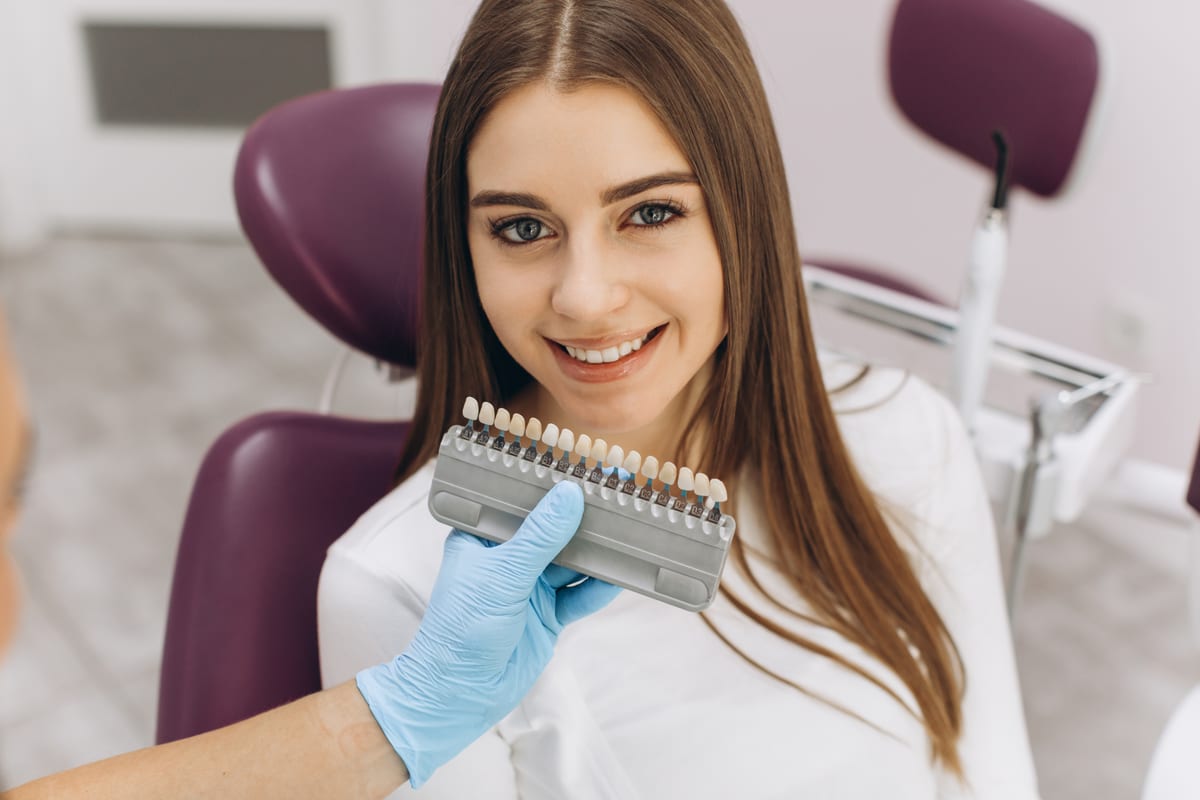
Shade selection is one of the most important decisions you’ll make. You choose a color that complements your skin tone and existing teeth. Dr. Elghor uses a professional shade guide to show you realistic options in natural light.
Many patients in Mira Mesa are surprised by how collaborative this phase is. You’re not just told what shade to pick. Instead, you and Dr. Elghor discuss your goals together and agree on the right look for your smile. If you’re also exploring teeth straightening, check out our Invisalign Info page to see how alignment fits into your smile plan.
What Happens to Your Enamel During Veneer Preparation
This is the step most patients ask about first. To place a veneer, a small amount of enamel must be removed from the tooth surface. This creates space so the veneer sits flush with your surrounding teeth. The amount removed is typically between 0.3 and 0.7 millimeters — about the thickness of a contact lens.
This step is permanent. Once enamel is removed, it cannot grow back. That’s why this decision deserves careful thought. Dr. Elghor takes time to explain this clearly so patients understand what they’re committing to before any prep work begins.
The preparation is done with a dental drill under local anesthetic. Most patients report little to no discomfort during this phase. The tooth is reshaped gently and precisely to accept the custom veneer that will be created at the lab.
- Enamel removal is minimal but permanent
- Local anesthetic keeps the process comfortable
- Preparation ensures the veneer sits naturally in your smile
- Only the outer surface of the tooth is affected
- The underlying tooth structure remains healthy and intact
The Temporary Veneer Phase: What to Expect
After your teeth are prepared, you won’t leave the office without protection. Temporary veneers are placed over the prepped teeth while your permanent veneers are being crafted at the lab. This phase typically lasts one to two weeks.
Temporary veneers are not as durable as permanent ones. You’ll want to avoid very hard or sticky foods during this period. They also may not match your final shade perfectly — that’s normal. They’re designed to protect your teeth, not to be your final smile.
This phase is actually very useful. It gives you a preview of the shape and size of your new teeth. If something feels off, you can communicate that to Dr. Elghor before the permanent veneers are finalized. Think of it as a test drive for your new smile.
- Teeth are prepared and impressions are taken
- Temporary veneers are placed for protection
- Your permanent veneers are custom-crafted at a dental lab
- You return for a fitting and bonding appointment
The Final Bonding Appointment: How Veneers Are Secured
When your permanent veneers arrive from the lab, you return for the bonding appointment. Dr. Elghor first places each veneer without adhesive to check the fit, color, and shape. Adjustments are made before anything is permanently attached.
Once you and Dr. Elghor are satisfied with the fit, the bonding process begins. Each tooth is cleaned and lightly etched. This creates a textured surface that helps the dental cement grip the tooth securely. A special light-cured resin cement is then applied to the veneer.
The veneer is placed onto the tooth and a curing light activates the cement. This hardens the bond quickly and firmly. Excess cement is removed and your bite is checked to make sure everything feels balanced and comfortable.
If a single tooth needed minor reshaping before, Cosmetic Bonding is sometimes used alongside veneers to perfect the surrounding teeth. Dr. Elghor may recommend this combination approach for a seamless final result.
Caring for Your Veneers After the Bonding Process
Veneers are durable, but they’re not indestructible. With proper care, porcelain veneers can last 10 to 15 years or longer. The habits you build after bonding directly affect how long your investment lasts.
- Brush twice daily with a non-abrasive fluoride toothpaste
- Floss every day to protect the gum line around each veneer
- Avoid biting nails, pens, or very hard foods
- Wear a night guard if you grind your teeth while sleeping
- Visit Dr. Elghor for regular cleanings and checkups
Veneers don’t respond to whitening treatments the way natural teeth do. Choose your shade carefully during the consultation phase. That initial shade will be the long-term color of your veneers, so it’s worth taking your time to get it right.
Frequently Asked Questions
Does getting veneers hurt?
The preparation process is done under local anesthetic, so most patients feel little to no discomfort. Some mild sensitivity after the appointment is normal and typically fades within a few days.
How long does the entire veneer process take?
From consultation to final bonding, the process usually takes two to three appointments over two to three weeks. The lab fabrication time accounts for most of the waiting period between visits.
Will my teeth look different during the temporary phase?
Temporary veneers protect your prepared teeth and give you a general preview of the shape. They may not perfectly match your final shade, but they’ll keep your smile looking presentable while you wait.
Can veneers be removed after bonding?
Veneers are considered a permanent restoration because enamel is removed during preparation. The veneer itself can be replaced if it chips or wears over time, but the teeth will always need a veneer covering going forward.
Are veneers right for everyone?
Veneers work best for patients with healthy teeth and gums. If there is active gum disease or significant decay, those issues must be treated first. Dr. Elghor will assess your oral health during your consultation to determine if veneers are the right fit for your smile goals.
Understanding what happens to your teeth during the veneer bonding process in Mira Mesa takes the guesswork out of your decision. Dr. Sarah Elghor and the team at Elghor Dental Studio are here to make every step clear, comfortable, and rewarding. Book Now to schedule your appointment with our team.
